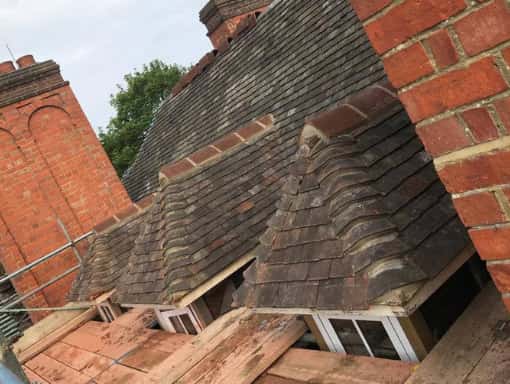
Roof leaks are often assumed to be caused by broken tiles or general wear, but one of the most common and overlooked causes is damaged flashing. Flashing plays a critical role in protecting vulnerable areas of a roof, and when it fails, it can quickly lead to water ingress. For homeowners in Sevenoaks, Kent, understanding how flashing works and why it fails is essential in preventing ongoing roofing issues.
At Sevenoaks Roofers, we regularly identify flashing-related problems and provide effective solutions to restore the integrity of the roof.
What Is Roof Flashing and Why It Matters
Flashing is typically installed at points where the roof meets other structures, such as chimneys, walls, valleys and vents. These areas are naturally more exposed to water penetration.
Flashing acts as a seal, directing water away from joints and preventing it from entering the roof structure. Without it, even a well-built roof would be vulnerable at these critical points.
How Flashing Becomes Damaged
Over time, flashing can deteriorate due to constant exposure to the elements. Weather conditions in Sevenoaks, including rain and temperature changes, can cause materials to expand and contract.
This movement can lead to cracks, lifting or separation from the surface, all of which reduce the effectiveness of the flashing.
Gaps and Openings Allow Water In
Once flashing is damaged or displaced, small gaps can form. These openings may not be immediately visible but can allow water to seep into the roof.
Unlike tile damage, which is often easier to spot, flashing issues can go unnoticed until signs of a leak appear inside the property.
Water Penetration at Key Weak Points
Because flashing is installed in the most vulnerable areas of the roof, any failure can have a significant impact. Water entering through these points can spread beneath tiles and into the underlying structure.
This can lead to damage that extends beyond the initial entry point, making the issue more complex.
Impact on Underlying Roof Components
When water penetrates through damaged flashing, it can affect materials such as underlay and battens. These components are not designed for prolonged exposure to moisture.
Over time, this can weaken the roof’s structure and reduce its ability to protect the property effectively.
Internal Signs of Flashing Failure
Leaks caused by damaged flashing often appear as damp patches, staining or gradual deterioration of ceilings and walls. These signs may develop slowly, making it difficult to trace the source.
By the time internal damage becomes visible, the flashing issue may have been present for some time.
Increased Risk During Heavy Rain
Flashing problems are particularly noticeable during periods of heavy rainfall. Large volumes of water can exploit even the smallest gaps, leading to more obvious leaks.
For properties in Sevenoaks, this highlights the importance of ensuring flashing remains in good condition throughout the year.
The Importance of Timely Repairs
Addressing damaged flashing early helps prevent water from entering the roof and causing further damage. Prompt repairs can restore the protective seal and maintain the overall performance of the roof.
At Sevenoaks Roofers, we provide professional services across Sevenoaks, Kent, ensuring that flashing issues are resolved effectively and reliably.
Preventative Maintenance for Long-Term Protection
Regular roof inspections are key to identifying flashing problems before they lead to leaks. Checking vulnerable areas and carrying out maintenance helps preserve the condition of the roof.
For homeowners in Sevenoaks, this proactive approach reduces the risk of unexpected issues.
Conclusion
Damaged flashing is a common cause of roof leaks, allowing water to enter through vulnerable areas such as joints and edges. Once compromised, it can lead to internal damage and affect the overall structure of the roof.
For properties in Sevenoaks, Kent, maintaining and repairing flashing promptly is essential for long-term protection.
If you suspect an issue with your roof or would like expert advice, Sevenoaks Roofers is here to help. Contact our team to arrange an inspection and ensure your roof remains secure and watertight.
Call us on: 01732 440691
Click here to find out more about Sevenoaks Roofers
Click here to complete our contact form and see how we can help with your roofer needs.