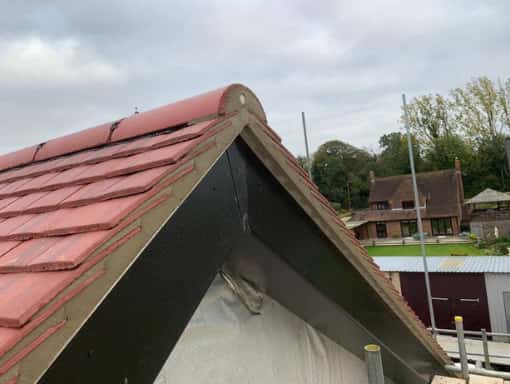
A roof’s primary function is to keep a property dry and protected, yet some areas of the roof are far more exposed to water ingress than others. Junctions, edges, and penetrations are particularly vulnerable, which is why effective leadwork plays such a crucial role in long-term roof performance. For properties in Sevenoaks, Kent, professionally installed leadwork remains one of the most reliable ways to safeguard these critical areas.
This article explains how leadwork functions, where it is most effective, and why it is essential for maintaining a watertight roof.
Why Certain Roof Areas Are More Exposed
Roofs are not uniform surfaces. They include multiple joins where different materials meet or where the roof connects with other parts of the building. These transitions are natural weak points because water can be driven into them by wind and rain.
Without proper protection, even small gaps can allow moisture to penetrate beneath the roof covering, leading to damp, decay, and structural issues over time.
How Leadwork Provides Long-Lasting Protection
Exceptional Weather Resistance
Lead is highly resistant to the effects of weather. It does not corrode, crack, or become brittle when exposed to rain, frost, or temperature changes. This makes it particularly effective in protecting areas that experience constant water flow or pooling.
Flexibility and Movement Accommodation
Buildings naturally move as temperatures change and materials expand or contract. Lead’s flexibility allows it to move with the structure without breaking its seal. This ability to accommodate movement is vital at roof junctions, where rigid materials may fail over time.
Key Areas Where Leadwork Is Essential
Chimneys and Abutments
Chimney stacks and wall abutments are among the most common sources of roof leaks. Lead flashing creates a watertight barrier where the roof meets vertical surfaces, preventing water from tracking behind tiles or slates.
Valleys and Roof Intersections
Valleys channel large volumes of rainwater from different sections of the roof. Lead-lined valleys provide a smooth, durable pathway for water to drain safely away, reducing the risk of overflow or penetration.
Roof Penetrations and Details
Vent pipes, dormers, and other roof features interrupt the main roof covering. Leadwork is carefully shaped around these details to seal gaps and maintain continuous protection.
The Importance of Skilled Installation
Leadwork is only effective when installed correctly. Precise cutting, shaping, and fixing are required to ensure water is directed away from vulnerable areas without restricting natural movement. Poorly installed lead can fail prematurely, even though the material itself is long-lasting.
Professional roofers understand how to detail leadwork so it integrates seamlessly with the surrounding roof covering and performs as intended over many years.
At Sevenoaks Roofers, we carry out high-quality leadwork installations and repairs for properties across Sevenoaks, Kent, focusing on protecting the most exposed parts of the roof and ensuring long-term weather resistance.
Conclusion
Leadwork plays a vital role in protecting the most vulnerable parts of a roof, from chimneys and abutments to valleys and roof penetrations. Its durability, flexibility, and weather resistance make it one of the most effective materials for preventing water ingress at critical junctions.
If your roof in Sevenoaks, Kent relies on leadwork that is ageing, damaged, or in need of attention, Sevenoaks Roofers can provide professional assessment and expert roofing solutions designed to keep your property protected for the long term.
Call us on: 01732 440691
Click here to find out more about Sevenoaks Roofers
Click here to complete our contact form and see how we can help with your roofer needs.